
.png?width=1024&height=1024&name=luxgrid-preview-lifestyle-1771414807722%20(1).png)
1. Promo Beats the Usual Assumptions about Carbon Footprint
Most marketers assume that digital ads must be greener than physical products. No factories, no shipping, no materials, right? But new research challenges that idea. A third-party study commissioned by PPAI, ASI and European partners finds that promo products often generate much less carbon per memorable impression than digital advertising and several traditional media.
“Promo’s carbon impact per memorized impression is actually eight times smaller than digital advertising,” the study finds — even though promo involves physical items.

3. What Promo Does Better (and Why It Matters)
Here’s what stood out:
- Low carbon per memorized impression: Promo was one of the lowest-impact channels, second only to out-of-home ads.
- Per campaign: Branded merch had much lower CO₂ per campaign than digital or TV.
- Per dollar spent: Promo and digital were about even.
- Long-lasting exposure: Items people keep and use spread their impact over months or years, so their footprint per impression drops compared with short-lived ads.
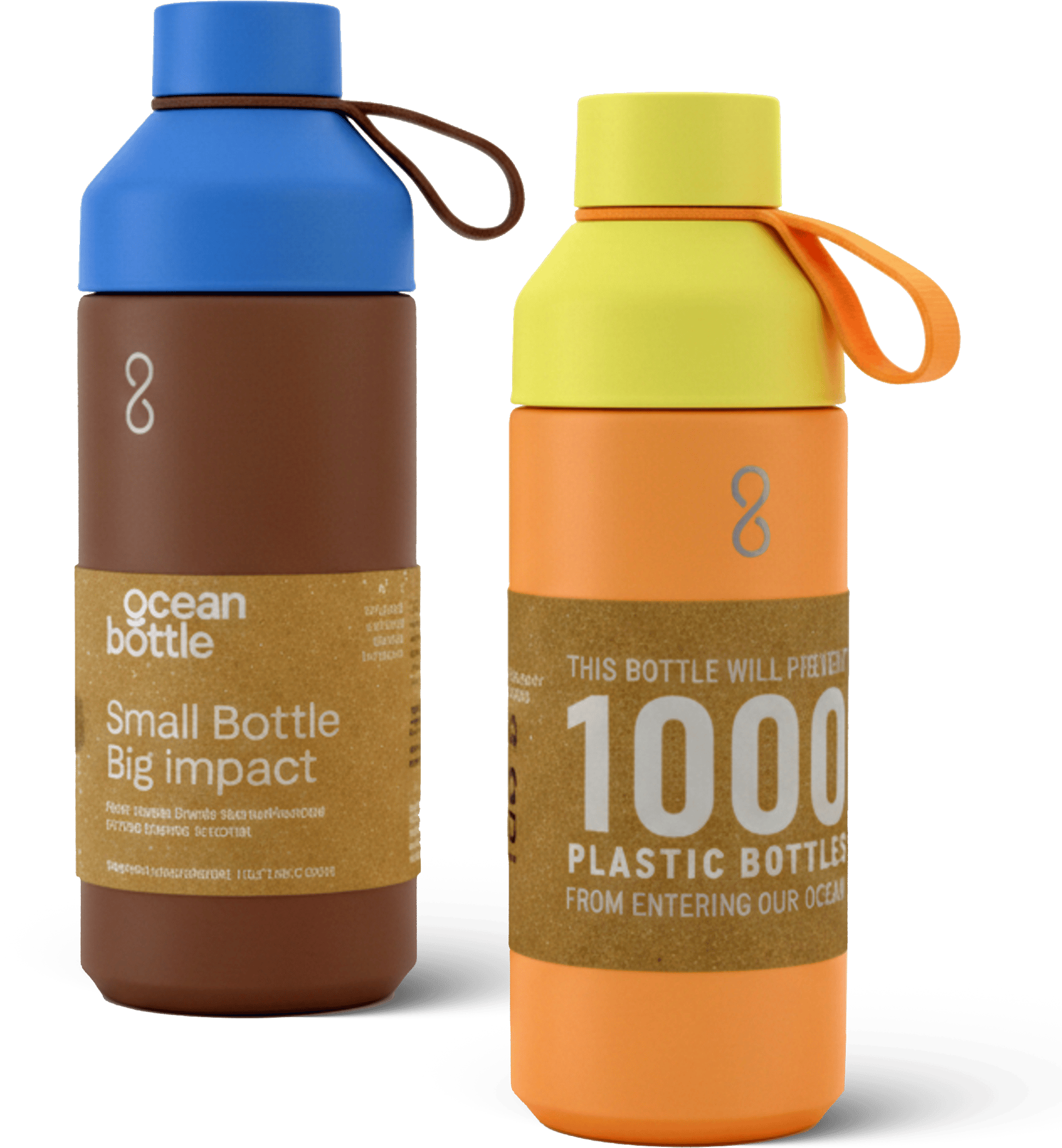
Companies interviewed in the study pointed out that promo items do more than just exist, they become useful, lasting parts of daily life, improving both brand recall and carbon efficiency.
Bottom Line
Branded merchandise isn’t just a fun extra, but a cost-efficient, memorable, and relatively low-carbon channel for brand impact. This research gives promo a data-backed place in conversations about sustainable marketing.
Sources & Full Article Links
- Joint PPAI-ASI Study Finds Promo Among the Lowest Carbon Impact Advertising Channels — PPAI Media (Feb. 4, 2026)
👉 https://www.ppai.org/media-hub/joint-ppai-asi-study-finds-promo-among-the-lowest-carbon-impact-advertising-channels/